AI FOR KNOWLEDGE MANAGEMENT
From unstructured content to actionable insights
In this KMWorld webinar, AI and knowledge management experts examine why so many AI initiatives fall flat, and what it takes to actually get them across the finish line.
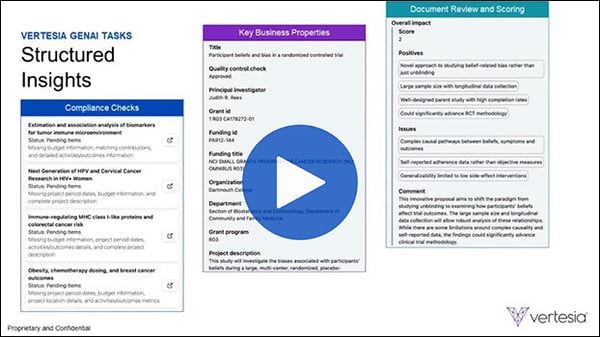
Most enterprise AI projects are stuck. Here's why.
90% of your organization's data is unstructured. It lives in PDFs, documents, emails, videos, contracts, and spreadsheets, and most of it is not AI-ready. Before a single query can return a useful answer, that content needs to be cleaned, classified, and prepared. That process takes time, money, and expertise that most teams don't have.
The result? 70% of organizations are still stuck in the AI experimentation phase. And 80–90% of generative AI projects have been halted or failed entirely.
This is the unstructured data problem. And it's bigger than most people realize.
From unstructured content to actionable insights: accelerating access to accurate, relevant information
Presented in partnership with KMWorld, this webinar brings together two leading voices in enterprise AI and knowledge management to share what's working (and what isn't) when it comes to making unstructured data useful.
What you'll learn:
- Why most generative AI projects get stuck before they ever go live
- How to audit your content for quality, accuracy, and compliance gaps
- What a practical data preparation workflow looks like from start to finish
- How RAG and semantic search unlock faster, more reliable AI answers
- How to build a content quality process that scales with your organization
A practical framework for knowledge management in the AI era
The webinar covers a step-by-step approach to transforming messy, unstructured content into reliable, searchable knowledge. Here's what that process looks like:
Content ingestion and classification
Before anything else, you need to know what you have. Automated classification tools tag documents by type, topic, and relevance which gives you a complete picture of your content landscape.
Quality analysis and remediation
Bad content in means bad answers out. This step identifies outdated files, duplicates, and compliance gaps before they can cause harm. It's the difference between an AI that helps and one that misleads.
Metadata enrichment
Raw text is hard for AI to reason over. Adding structured metadata (titles, dates, authors, topics) makes content far more useful for search and retrieval.
Semantic layering and intelligent chunking
Large language models can't read an entire document in one go. Chunking breaks content into the right-sized pieces. Semantic layering adds meaning to those pieces so AI can find and use them accurately.
Retrieval-augmented generation (RAG)
RAG grounds AI responses in your actual documents. Instead of making things up, the model pulls from verified content, giving users answers they can trust and trace back to a source.
Continuous quality monitoring
Content doesn't stay accurate forever. Monitoring tools flag new issues as they appear, keeping your knowledge base healthy and your AI dependable over time.